Proven Pest Control Answers: Maintain Your Home Pest-Free
Effective pest control solutions are vital for preserving a pleasant home environment. Homeowners encounter multiple challenges from typical pest issues, which can interrupt daily life. Recognizing the signs of infestation is the first step in addressing these issues. While natural methods have gained popularity, understanding the full range of management strategies is necessary. This exploration presents significant questions about the balance between DIY solutions and when to seek professional assistance. What tactics will turn out to be most effective?
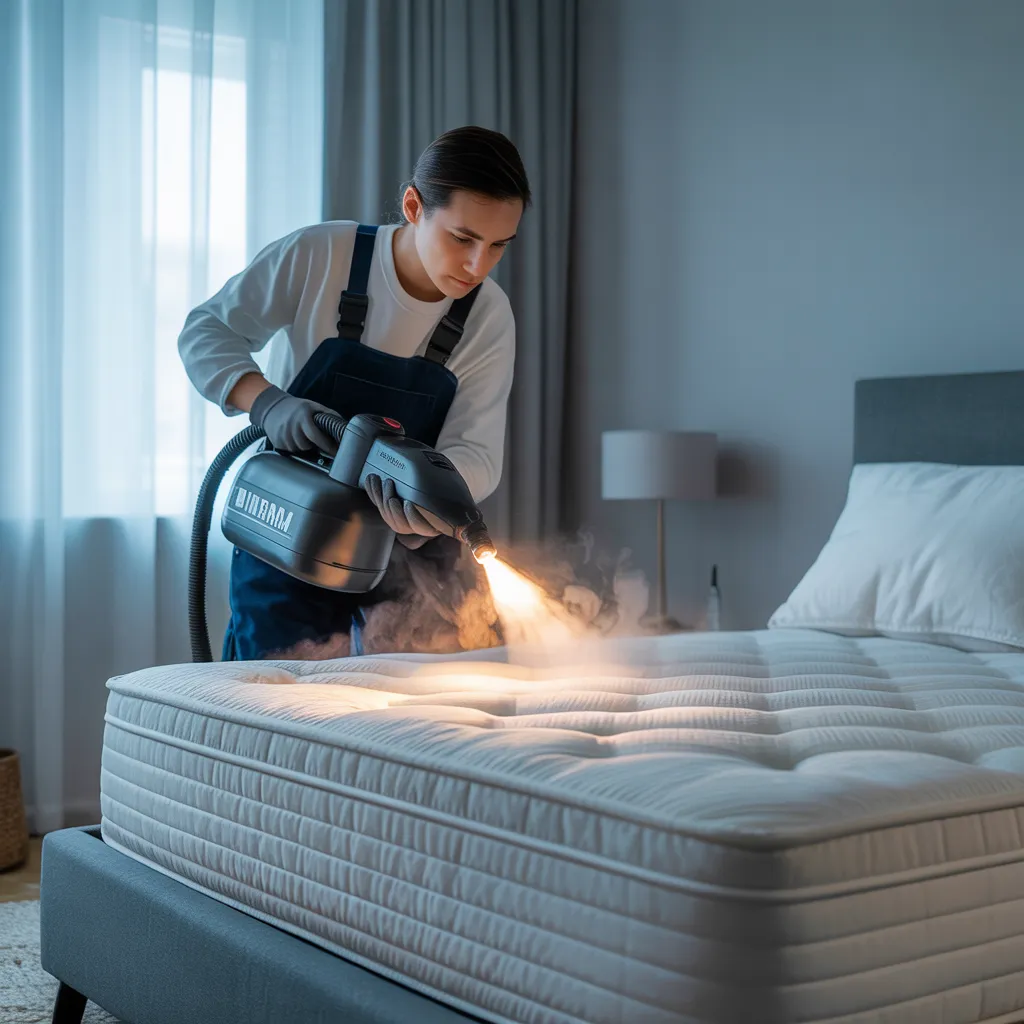
Frequent Domestic Pest Issues and Reliable Pest Control
When homeowners notice unwanted guests in their residences, they usually seek immediate solutions for common in-home pests. Ants, cockroaches, and rodents are among the most commonly seen pests. Ants usually infest kitchens while searching for food, and cockroaches prefer warm, dark areas. Rodents, conversely, can cause structural damage and threaten health.
Successful pest control begins with identification and prevention. Homeowners are advised to close off access routes, maintain cleanliness, and eliminate food sources. Bait traps and insecticides can be employed for specific infestations, though caution is advised to ensure protection for children and pets. In severe cases, professional pest control services may be necessary to implement complete elimination techniques. Comprehending the nature of these pests and employing focused approaches fosters a better home conditions and mitigates future infestations.
Identify Signs of Infestation
Spotting signs of infestation is essential for successful pest control. Typical signs consist of strange sounds, unusual odors, and observable waste or harm to property. Catching these symptoms early can help avoid a minor issue from progressing into a significant issue.
Regular Insect Indicators
How can one spot the see the details subtle signs of a infestation problem? Identifying standard pest warnings is vital to enable early intervention. Small droppings, often resembling coffee grounds or rice kernels, can point to the existence of insects or rodents. In addition, eaten items, such as wires or wood, indicate chewing pests such as rats or termites. Odd marks across furnishings or walls, including scratches or smudges, could signify insect activity. Also, webbing or nests within hidden corners often suggest infestations. Property occupants should also be vigilant for discarded wings or shed skins, which are common in particular pests. By noticing these signs, one may act preventively to maintain a pest-free environment.
Unusual Noises and Odors
Strange noises and odors can be critical signals of a pest infestation. Homeowners may detect scratching, scuttling, or chewing sounds, mostly at night when pests tend to be most active. These sounds typically signal the presence of rodents such as mice or rats, which live in walls, attics, or basements. Moreover, certain odors can indicate an infestation. A musty or pungent smell might reveal a buildup of droppings or urine, whereas a foul, rotting scent might suggest the existence of dead pests. Understanding these auditory and olfactory indicators is vital for early detection. Quick attention to unusual sounds and odors can assist homeowners in addressing problems before a minor issue turns into a major pest problem.
Observable Droppings or Damage
Visible marks and wear suggest a pest invasion. Property owners should stay alert when spotting these signals, since they can differ widely among various pests. Rat waste, as an example, are compact, dark-colored, and oblong, typically located in remote locations or close to food. By comparison, bug droppings might look identical to fine dust or granular material, determined by the species. Harm might show up as bitten cords, chewed furnishings, or openings in structures. Such proof not merely shows the presence of pest problems but also emphasizes conceivable dangers to safety and valuables. Quick spotting of these marks is crucial for productive pest eradication and control approaches, making certain a wholesome and pest-controlled setting.
Best Chemical-Free Pest Control Methods
Plenty of homeowners chase synthetic approaches for insect management, but premier natural methods supply effective alternatives that are environmentally conscious and non-toxic. Aromatic plant extracts, including lavender and peppermint, can ward off various pests because of their robust fragrances. Food-grade diatomaceous earth serves as a organic pest deterrent, drying out pests at contact. Additionally, white vinegar remains a flexible remedy, effectively deterring ants and spiders when applied as a misting solution.
DIY snares, like baited jars for fruit flies, can also be useful. Adding natural predators, such as ladybugs and lacewings, helps manage pest populations without harming the ecosystem. Moreover, frequent tidying and proper food storage deter unwanted guests by eliminating attractants. Planting herbs like basil and rosemary around the home can also act as natural repellents. By integrating these methods, homeowners can preserve a pest-free environment while encouraging a healthier living space.
Understanding Chemical Pest Control Choices
Chemical pest control options offer a array of pesticide types designed to combat specific pests effectively. Understanding these various formulations is vital for successful application and reducing environmental impact. Also, adhering to safety requirements is imperative to guarantee the well-being of both applicants and environmental communities.
Varieties Of Chemical Pesticides
Pesticides deliver an critical aspect in contemporary agriculture and pest management, offering a range of alternatives formulated to address specific pests effectively. There are numerous types of chemical pesticides, including insecticides, which control insect populations; herbicides, which target unwanted plants; and fungicides, used to fight fungal infections. Additionally, rodenticides are formulated to remove rodents, while nematicides focus on parasitic worms. Each category holds various active ingredients, allowing for customized approaches based on the pest type and infestation level. Systemic pesticides are absorbed by plants, providing internal protection, while contact pesticides act on contact with the pest. Understanding these classifications aids in picking the most appropriate pesticide for effective and efficient pest control.
Safety Guidelines To Remember
When participating in pest control, it is important to stress protective precautions to lessen potential risks related to chemical applications. Homeowners should always read and follow label instructions meticulously, confirming proper dosage and application methods. Personal protective equipment (PPE) such as gloves, masks, and goggles is essential to safeguard against chemical exposure. It is suggested to hold children and pets away from treated areas until the chemicals have dried and the space has been aired out. Additionally, securing pesticides in a locked location can prevent accidental ingestion. Finally, exploring sustainable solutions can lower health risks while still successfully controlling pest problems. Implementing these precautions ensures a safer environment while conducting necessary pest control measures.
Implement do-it-yourself pest management Tips
Adopting DIY pest control recommendations empowers homeowners to resolve infestations successfully and economically. Practical solutions commonly harness familiar household items, making them obtainable and budget-friendly. For instance, a mixture of vinegar and water can prevent ants, while baking soda and sugar can pull in and annihilate cockroaches.
Keeping your space clean is crucial; keeping food in closed containers and immediately tackling spills help prevent pest activity. Homeowners can also build protection by filling openings and crevices around doors and windows. Essential oils such as peppermint and tea tree oil act as organic repellents, providing a pleasant-smelling option to synthetic pesticides.
Checking your home often for indications of pests permits timely action, deterring extensive pest issues. Bait stations and traps can be deliberately situated in main pathways to survey and manage pest populations. By utilizing these DIY strategies, homeowners can keep a pest-free setting while cultivating a sense of control and responsibility in their living spaces.
When should you seek expert support?
Homeowners may recognize that despite their best efforts with DIY pest control methods, some infestations demand professional intervention. Signs indicating the need for expert help include ongoing pest problems, significant invasions, or the existence of pests that create health risks, such as rodents or termites. If initial treatments fail to yield results, it may be time to contact professionals who possess specialized knowledge and tools.
Moreover, certain conditions warrant immediate professional assistance. These feature the discovery of nests in remote areas, conceivable structural harm caused from pests, or when dealing with harmful insects, like wasps. Homeowners should as well consider expert assistance if they want the time or resources to manage the situation competently. Ultimately, engaging a pest control expert can guarantee a comprehensive analysis and a deliberate plan, providing peace of mind and a pest-free environment.
Frequently Raised Questions
How Can I Block Pests From Getting Into My Home?
To prevent bugs from coming into a home, one should seal cracks, install screens on windows, maintain cleanliness, store food properly, and periodically examine for indicators of pest presence. These approaches greatly reduce the likelihood of unwanted visitors.
What pest management options are secure for Petsafe?
Indeed, safe for pet pest control solutions are available. Natural deterrents, aromatic oils, and traps created designed for application around animals can successfully repel pests without harming animals. Always check item descriptions for protective guidelines.
What Charges Come With Pest Control Solutions?
Expenses related to pest control solutions differ widely, usually ranging from $100 to $300 for initial applications. Ongoing maintenance plans may run $40 to $70 monthly, based on the intensity of the pest problem and treatment schedule.
What duration Can You anticipate From Pest Control Treatment?
Pest management treatment typically lasts from several weeks to many months, determined by the pest type and the technique used. Routine follow-ups may be essential to maintain effectiveness and stop pests from returning.
Can Insects Return After Treatment, and How Can I Prevent That?
Pests can come back after treatment if not properly managed. Preventive measures include sealing entry points, keeping areas clean, and regular inspections. These actions help decrease the probability of pest return and maintain a pest-free environment.